UW-Madison Responds to the Middle East Conflict
UW-Madison recognizes that the impact of the conflict in Iran and the broader Middle East region is being felt by many in the campus community and is providing relevant resources, information, and support. Read more about the university’s response here:
UW-Madison Responds to Middle East Conflict
Ebola Outbreak in the DRC
On 17 May 2026, following the confirmation of several identified cases, the World Health Organization (WHO) declared a public health emergency due to an outbreak of the Bundibugyo Virus Disease (BVD), a variant of Ebola, in the Democratic Republic of Congo (DRC). WHO posts updates on the outbreak’s status and efforts to combat it, and the CDC offers a detailed summary of the circumstances, disease impacts, and actions being taken to prevent its spread.
- The CDC invoked Title 42 for persons who have been in the crisis area in the preceding 21 days who are not U.S. citizens. This originally included the DRC, Uganda, and South Sudan. Since then, WHO has declared the outbreak over in Uganda (27 Aug 2026), but U.S. entry restrictions on those whose travel originated in Uganda may remain for some period until the system is updated to reflect this news. UW-Madison travelers who have traveled in affected countries during the period should consult the CDC’s explanation of Title 42’s implementation and adhere to its guidance (updated 12 Aug 2026). Returning U.S. citizens and nationals are exempt from the rule. It is expected that the rule will be updated soon, but currently travelers from Uganda remain affected by its restrictions.
- The U.S. Department of State Travel Advisory for Uganda remains at Level 4: Do Not Travel, and the advisories for the DRC and South Sudan also are at level 4. The advisory for Rwanda was elevated from Level 2 to Level 3 in response to the outbreak.
- Due to the level 3 and 4 travel advisories, UW-Madison sponsored-travel by undergraduate and graduate students, of all levels of study, including professional students, is prohibited under the university’s International Travel Resources, Guidelines, and Policies (“International Travel Policy”). Under the same policy, UW-Madison “strongly recommends against” employee travel to countries under level 3 and 4 travel advisories.
Worldwide Caution Health Alert
On 21 May 2026, the U.S. Department of State issued a Worldwide Caution in response to the Ebola outbreak, announcing that all U.S.-bound American citizens and lawful permanent residents (LPRs) who have been present in the Democratic Republic of the Congo, Uganda, or South Sudan within 21 days of arrival in the United States must only enter through Washington Dulles International Airport (IAD) for enhanced screening. On 22 May, Atlanta-Hartsfield International Airport was added as a designated point of entry, and Houston’s George Bush International Airport will be added on 26 May (for flights departing after 11:59 PM EDT on 26 May).
Please read the entire posted message designating these airports.
The U.S. Centers for Disease Control and Prevention (CDC) and the Department of Homeland Security’s (DHS) Customs and Border Protection (CBP) will apply enhanced public health screening at IAD in response to the Ebola outbreak. The entry requirements apply to all passengers, including U.S. citizens and LPRs, who were present in those countries.
This U.S. Embassy-Uganda post offers expanded details on what travelers entering the U.S. can expect when they arrive at Washington-Dulles, Atlanta-Hartsfield, or George Bush Intercontinental airports.
Worldwide Caution – Public Health Arrival Restrictions and Enhanced Ebola Screening
U.S. Department of State issues Worldwide Caution to travelers
On 22 July 2026, the U.S. Department of State updated a new Worldwide Caution: “We remind Americans in the region of the continued need for caution and encourage them to monitor the news for breaking developments. The Department of State advises Americans worldwide, and especially in the Middle East, to exercise increased caution. Americans abroad should follow the guidance in security alerts issued by the nearest U.S. embassy or consulate. Flight cancellations and periodic airspace closures may cause travel disruptions. U.S. diplomatic facilities, including outside the Middle East, have been targeted. Groups supportive of Iran may target other U.S. interests overseas or locations associated with the United States and/or Americans throughout the world.”
Read the entire message here:
Read This for More information on U.S. Government Entry Restrictions, 16 Dec 2025
On 16 Dec 2025, the White House proclaimed full and partial entry restrictions on 39 foreign countries, broadening the scope of the White House proclamation issued previously on 4 June 2025. The proclamation takes effect on 1 Jan 2026:
- The Proclamation fully restricts and limits the entry of nationals from 19 foreign countries, as well as those holding passports issued by the Palestinian Authority.
- The Proclamation partially restricts and limits the entry of nationals from 20 other foreign countries.
Please see the UW-Madison Resources on Immigration Issues page for a complete explanation of the 16 Dec 2025 White House proclamation, including its scope, restrictions, and exceptions.
Students are subject to UW-Madison’s “International Travel Policy” (International Travel Resources, Guidelines and Policies).
The policy has been revised to reflect the U.S. Department of State and CDC’s updated travel advisory systems. Under this policy, students are precluded from traveling to any location that remains under a U.S. Department of State Level 3 or Level 4 advisory or a CDC Travel Health Notice of Level 3 or Level 4. The policy offers a process by which waivers can be requested if risks can be mitigated effectively.
See the “Policies” tab on this website for more information about the policy and waiver process.
All UW-Madison students, staff, and faculty traveling abroad for university-affiliated travel or under a university-sponsored program are required to enroll in Cultural Insurance Services International (CISI) insurance coverage.
All UW-Madison affiliated travelers are highly encouraged to enroll in the U.S. Department of State’s Smart Traveler Enrollment Program (STEP) ahead of any international travel. STEP is a free service that allows U.S. citizens and nationals to enroll their international travel with the nearest U.S. Embassy or Consulate.
Don’t be a victim of fraud and scams while abroad
Financial crimes are increasingly common and often target students, especially when they are in the United States from another country. Read the short brief and discussion below about fraud and scams before you travel or study abroad.
Scams and Fraud Related to Global Conflict
(6.17.25): There are many scams and frauds identified right now associated with the violent conflict seen across the Middle East. These scams may target persons from any of the impacted regional countries and territories who are living or traveling abroad, those who have close ties to the region, and/or those who may be distraught due to the circumstances and anxious because they have lost contact with family members and fear for their safety.
Scammers will play various roles and offer “assistance” or promise “community support” to those with deep concerns created by the current conflict. The circumstances may make many people vulnerable to a well-rehearsed and resourceful scam or fraud attempt. During a crisis, criminals will try to prey on those they believe are at risk and looking for hope. The schemes may be well-orchestrated and often are quite believable.
Anyone who believes they may have received an e-mail, SMS text message, direct message (DM), or telephone call that could be part of a scam or fraud attempt, should immediately seek advice from a recognized law enforcement agency.

Preparing for Extreme Heat
Heatwaves and prolonged excess heat conditions can significantly impact traveler health and safety. Make sure you prepare for extreme heat when traveling by reviewing the materials linked here.
Preparing for Tropical Storms
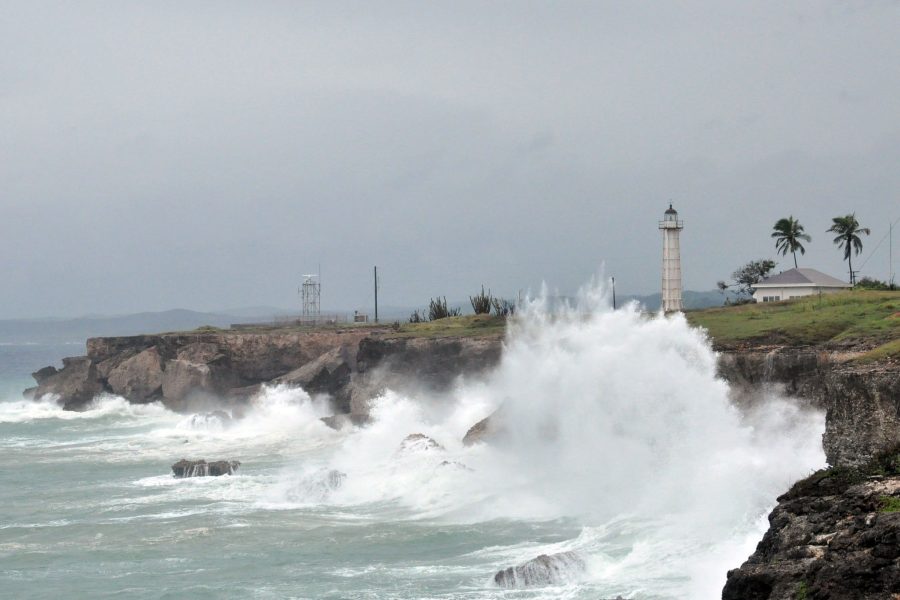
Tropical storm season is ongoing in many parts of the world. These storms can be strong and unpredictable, posing real risk to your health and safety. Make sure you prepare for tropical storms when traveling by reviewing the linked primer.
Links, News, and Public Messages
UW-Madison International Travel Policy
Familiarize yourself with the UW-Madison International Travel Policy before going abroad.
UW-Madison Requires CISI Enrollment for All University International Travel
As of January 2022, enrollment in UW-System's CISI international health, medical, and evacuation insurance is required for all employee international travel on university business as an allowable expense. Read the memo from the UW-Madison Provost and the Interim Vice Chancellor for Finance and Administration.
U.S. Department of State Travel Advisories
If you're planning a trip, make sure you thoroughly read the latest State Department Travel Advisory for your specific location.
OSAC Country Security Reports
Review Overseas Security Advisory Council (OSAC) Country Security Reports before you travel.
International Travel | CDC
Read the CDC's most recently updated guidance on international travel.
U.S. Embassy & Consulate Alerts
Read through some of the latest U.S. Embassy and Consulate Alerts for your destination before you travel.
Updated Department of State Policy on Sex Markers in Passports
Follow this link to find the latest updates from the U.S. Department of State regarding sex markers in passports.
ISSD Update on Privacy and Law Enforcement in China
Read this update from the ISSD about privacy and the implementation of national security and espionage laws in China to learn about recent changes and what to expect when traveling in the country.
CDC Global Road Safety Guidance
Road traffic accidents are a leading cause of traveler injuries and deaths both in the U.S. and abroad. Before you travel, review this guidance on road traffic safety from the Centers for Disease Control and Prevention (CDC).
U.S. Department of Transportation | Latest News
Check out the latest news from the U.S. Department of Transportation.
University Message on Travel to Israel
Amid ongoing uncertainty in the region, please click on this link to read the University of Wisconsin-Madison’s current position on university-sponsored or affiliated travel to Israel.
University Policy on Travel to Ukraine and Russia
Due to ongoing conflict in the region, ALL university-affiliated travel to Ukraine and Russia for students and employees is suspended until further notice. Click on the links below to read the policy memos specific to each country: